
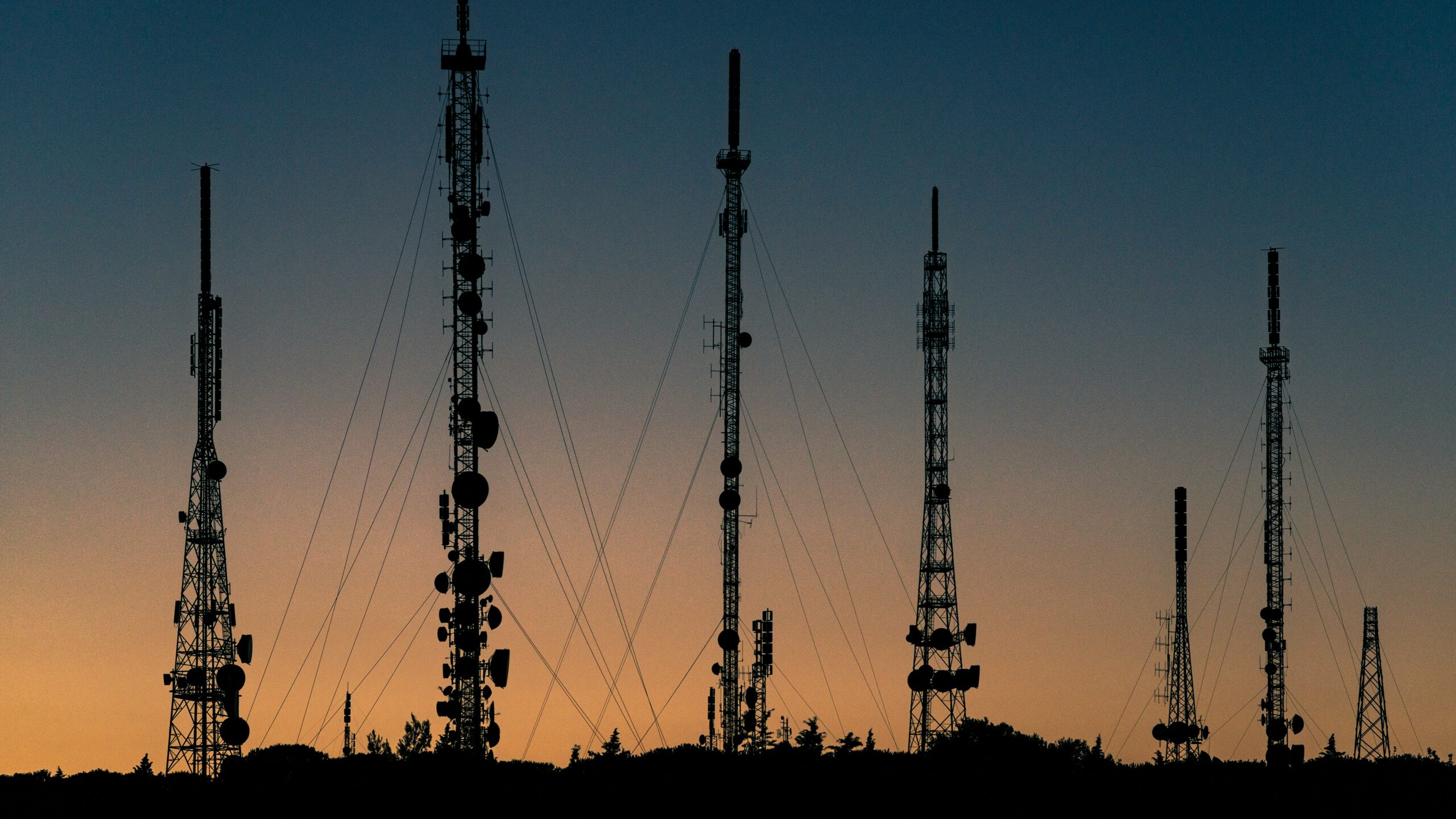
To ensure 99.9% uptime of its critical IT infrastructure, a leading multinational telecom provider partnered with Ecolibrium to digitise temperature and humidity (RH%) monitoring across multiple server, hub, and UPS rooms deployed across 4 critical sites in India, demonstrating how to improve equipment uptime using real-time monitoring and predictive insights.
Outcome Summary
- Revised SOPs to prevent low-temperature scenarios
- Targeted 6% energy savings
- Improved uptime and equipment reliability
Challenges Faced
The organisation’s critical rooms lacked real-time visibility into temperature and RH% levels. Staff performed periodic manual checks and addressed issues only after deviations were observed. This reactive model increased the risk of overheating, condensation, equipment failures, and high energy consumption, resulting in operational inefficiencies, rising costs, and reduced uptime.
How to Improve Equipment Uptime in Critical Facilities
Ecolibrium SmartSense was deployed across four sites to continuously monitor environmental conditions in server rooms, hub rooms, and UPS rooms. The platform integrated advanced sensors and real-time analytics, flagging abnormal RH% patterns and temperature drops. Ecolibrium SmartSense AI analysed historical data to predict high RH% risks, recommend ventilation adjustments, and provide predictive maintenance alerts. Based on these insights, the organisation revised its operating procedures (SOPs), stabilised HVAC performance, and initiated automation to reduce manual intervention. Integrated across 15 data points. Replaced manual temperature and RH% checks with automated monitoring, integrating sensors for optimised control, improved reliability, and enhanced energy efficiency. Implemented energy management product to improve the operational excellence.
The Outcome
The Ecolibrium SmartSense platform enabled the team to revise SOPs and prevent undercooling in critical zones, targeting 6% energy savings. Real-time monitoring reduced RH% fluctuation and stabilised environmental conditions, minimising the risk of condensation and hardware failures. Predictive analytics allowed the team to address anomalies proactively, improving equipment uptime and operational continuity.
The Impact
Ecolibrium SmartSense improved thermal stability by continuously monitoring RH% levels, triggering alerts, and guiding HVAC control logic in real time. SOP corrections and predictive recommendations helped ensure consistent compliance with ASHRAE standards. The project led to reduced manpower dependency, greater reliability, and measurable cost savings through 6% energy efficiency gains. Encouraged by the success, the client plans to expand Ecolibrium SmartSense to broader space monitoring to correlate room conditions with asset performance.
Is your facility still relying on manual temperature checks?
Ecolibrium SmartSense digitises thermal and humidity monitoring with predictive insights, optimising uptime and energy use in real time. Book a demo now.